Super Vision Small Animal In Vivo Microscopee
Product Overview
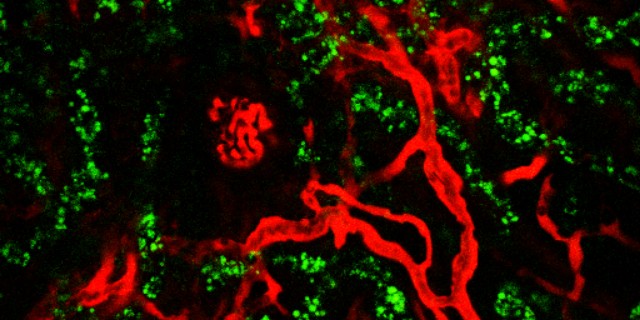
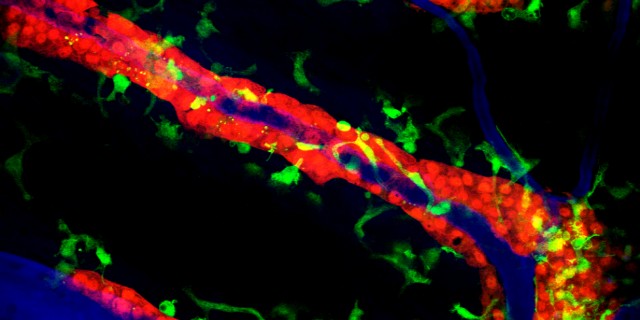
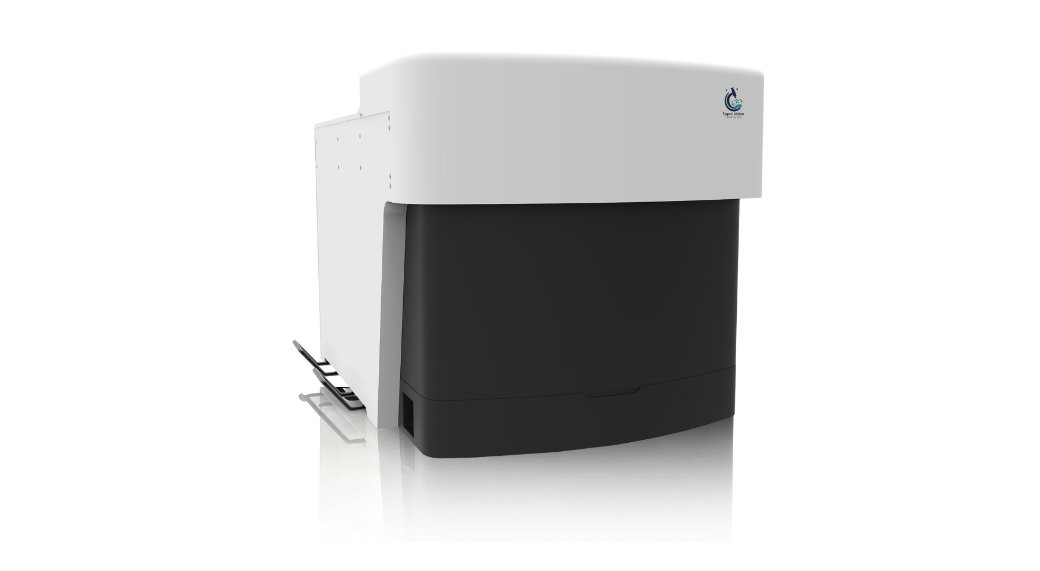
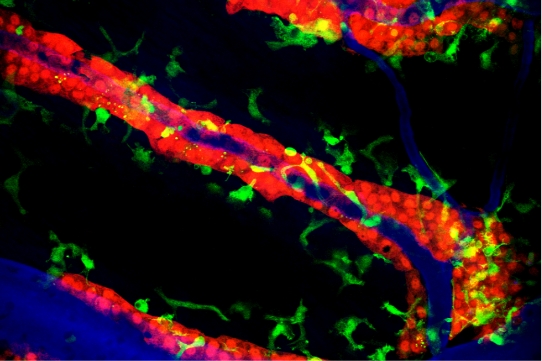
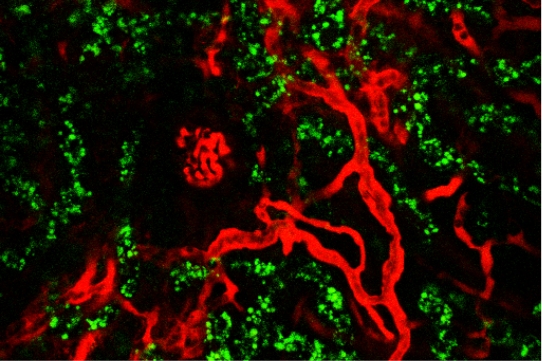
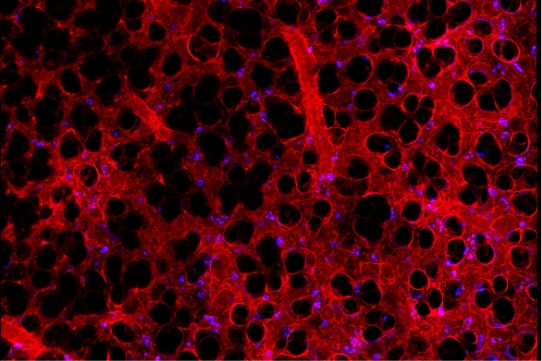
The Super Vision small animal in vivo confocal microscope, exclusively represented by Shanghai Aifei Electronics, is specifically designed for in situ dynamic observation of model animals. It breaks through the limitations of traditional ex vivo sectioning and endpoint sampling, eliminating the need to sacrifice experimental animals. It can capture real-time dynamic changes in immune cells, tumor cells, and vascular microcirculation throughout multiple organs such as the lungs, liver, skin, and heart of mice. Coupled with AI intelligent imaging algorithms and a high-speed polygon prism scanning system, it provides a one-stop 4D in vivo fluorescence imaging solution. It is widely suitable for cutting-edge research topics in oncology, immunobiology, neuroscience, and other fields in universities, pharmaceutical companies, and research institutes. It is a domestically produced, cost-effective, and powerful device for in vivo imaging.
The main types of instruments and equipment in our company include life science instruments, physical testing instruments, environmental monitoring instruments, industrial online instruments, professional instruments, and basic laboratory equipment, including measuring devices. We have been committed to delivering better, more convenient, more advanced, and cost-effective equipment and services to our customers. We believe that everything is not just about the present, and we always pay attention to our customers’ needs and problems.
“Sample screening and evaluation”
“Comparative & reference testing”
Modern laboratory testing methods have transformed the way scientific analysis is performed, delivering faster, more accurate, and highly reliable results. With the integration of automation, advanced analytical instruments, and digital technologies, laboratories can now process complex samples efficiently while maintaining strict quality standards
Advancements in modern laboratory testing methods have significantly enhanced the accuracy, speed, and reliability of scientific analysis. Today's laboratories utilize automated systems, high-precision instruments, and advanced data analysis tools to minimize errors and ensure consistent results. These innovations enable efficient handling of complex samples while supporting regulatory compliance and quality assurance.

“Sample screening and evaluation”
“Comparative & reference testing”
- Lung inflammation: 15-minute real-time tracking of immune cell vascular migration, recording the entire process of inflammation-induced thrombosis
- Liver injury model: Continuous observation of sinusoidal platelet aggregation and immune cell infiltration for up to 6 hours
- Skin wound repair: Panoramic stitching + 3D imaging, visualizing the dynamics of immune cell recruitment and repair in wound surfaces.
- Oncology research Observe the tumor microenvironment, cancer cell invasion and metastasis, and immune cell anti-tumor response in situ in living organisms for the efficacy evaluation of anticancer drugs.
Modern laboratory testing methods represent a significant advancement in scientific analysis, combining technology, automation, and precision to deliver reliable results. Today's laboratories operate with advanced analytical instruments, automated workflows, and digital systems that enhance efficiency while maintaining strict quality standards.